The Water Problem No One Talks About in Vacation Rentals
When people talk about sustainability in short-term rentals (STRs), the conversation almost always focuses on energy. Smart thermostats, LED lighting, solar panels, and reducing carbon emissions tend to dominate the discussion. And while those efforts matter, they often overlook one of the biggest sustainability and operational threats facing rental properties today: water waste.
Unlike electricity use, which is easier to track and manage with monthly bills and energy monitoring systems, water waste often goes unnoticed until it becomes a costly disaster. A small leak in a toilet tank, a dripping faucet under a sink, a cracked pipe behind a wall, or a burst pipe caused by freezing temperature can quietly waste thousands of gallons of water and in the STR industry, that risk multiplies fast.
Sustainability Isn’t Just Energy
The hospitality industry is under growing pressure to operate responsibly. Travelers are more eco-conscious than ever, and investors are increasingly evaluating companies based on ESG (Environmental, Social, and Governance) performance. For STR operators, this often translates into energy upgrades and carbon-reduction strategies.
But sustainability is broader than electricity usage. Water is one of the most valuable and limited resources in many regions, and waste is far more common than most property owners realize. Leaks are especially dangerous because they don’t always cause immediate damage.
In traditional residential homes, a full-time occupant might hear a running toilet or see a wet spot under a sink. In STRs, however, the situation is very different. Properties can sit vacant for days between bookings, and even when guests are present, they may not report minor issues.
Why Water Waste Matters
Short-term rentals operate differently than long-term residential properties, and those differences make them uniquely vulnerable to water waste.
STRs typically have:
Frequent guest turnover
Limited daily oversight
High usage of plumbing fixtures
Cleaning teams who are focused on speed and turnover efficiency
Maintenance teams who often respond only when problems are reported
Guests also tend to use a property more heavily than a long-term tenant. Vacationers take longer showers, run laundry more frequently, and use outdoor water features like pools, hot tubs, and sprinklers. With more activity comes greater strain on plumbing systems.
The biggest issue is that guests may not report problems quickly or at all. A burst pipe because of freezing can waste hundreds of gallons of water before it gets fixed. A single slow leak can waste thousands of gallons over time. Multiply that by multiple units across a portfolio, and the financial and environmental impact becomes enormous.
Water waste isn’t just a utility problem. It’s an operational issue that affects every part of an STR business from maintenance budgets to sustainability goals.
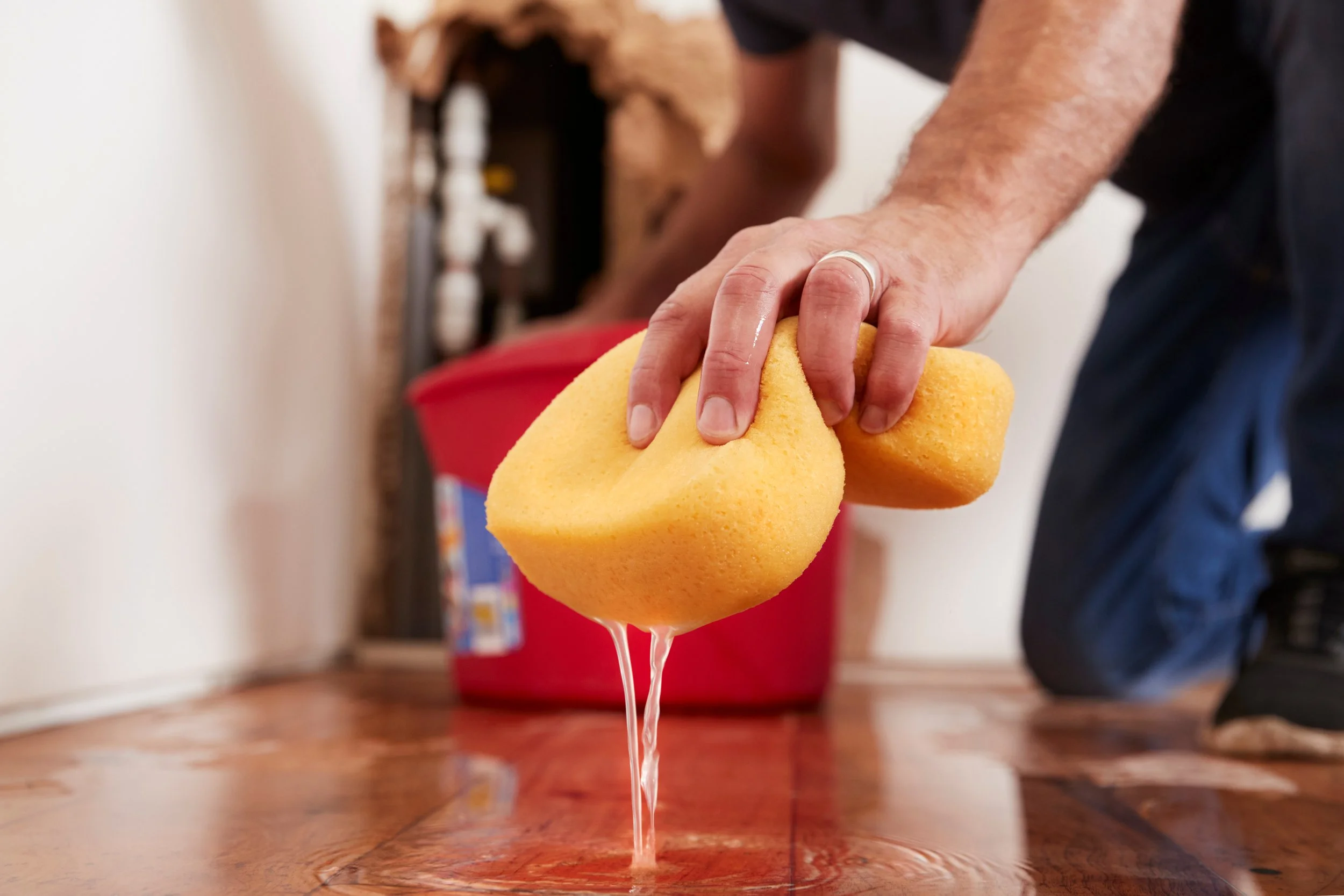
The True Cost of Leaks
The most obvious cost of a leak is the water bill, but that’s only one part of the equation. In reality, the true cost of leaks in STRs is often far higher and more damaging than operators anticipate.
Higher Utility Bills Across Multiple Properties
In a single home, a leak might add an extra $30–$100 to a monthly water bill. That’s easy to miss, especially if bills fluctuate seasonally.
But across 50 or 100 properties, small increases can become thousands of dollars in unnecessary expenses every month. And because water bills are often bundled into operating costs, the leak may never be traced back to its source until much later.
Major Property Damage Risk
Leaks don’t stay contained. Water travels quickly, and it rarely stops where you want it to. The most common leak-related damage includes:
warped hardwood floors
stained or collapsed ceilings
damaged drywall
ruined carpets
electrical system exposure
mold remediation needs
In multi-unit buildings, the risk is even worse. A leak in one unit can impact several units below, creating a chain reaction of repairs, insurance claims, and tenant complaints.
Frozen Pipes Lead to Major Damage
Frozen pipes can quickly become a major issue in short-term rentals (STRs), often leading to significant wastewater damage if not addressed immediately. When temperatures drop, water inside exposed or poorly insulated pipes can freeze and expand, causing pipes to crack or burst.
Once the ice thaws, water can leak rapidly into walls, ceilings, and floors creating hidden damage that may go unnoticed until it becomes severe. In STR properties, this risk is even higher when homes sit vacant between guests, allowing small leaks to run for hours or even days.
The result can be costly repairs, mold growth, ruined flooring, and disrupted bookings, making frozen pipe prevention and regular winter monitoring essential for protecting both the property and guest experience.
Lost Vacation Rentals Revenue from Downtime
Even if repairs are manageable, downtime is where STR operators often take the biggest hit. If a leak floods a bathroom or damages flooring, the property may need to be taken offline for days or even weeks.
That means:
canceled bookings
refunded reservations
lost cleaning fees
lost peak-season revenue
negative guest reviews
A single water event can wipe out an entire month of income in a high-performing rental. The cleaning costs for 1-bedroom Outer Banks vacation rentals for example have gone up by 25.08% since Q1 2021. Imagine if that has to be done multiple times more because of leaks.
Insurance Claims and Long-Term Consequences
Leaks are one of the most common reasons for insurance claims in rental properties. But filing claims repeatedly can raise premiums or make it harder to secure favorable coverage terms in the future.
Some operators even find that repeated water-related claims lead to policy exclusions or reduced coverage, making future damage even more expensive.
Smart Leak Detection and Automation
The biggest challenge with leaks is that they often go unnoticed until damage is visible. Smart leak detection solves this problem by identifying issues early, sometimes before water damage even begins.
Modern leak detection systems go far beyond the old-fashioned water alarms that simply beep when they get wet.
Today’s smart sensors can:
detect moisture under sinks, behind toilets, or near appliances
identify unusual water flow patterns
send alerts in real time through mobile apps
track water activity over time
provide dashboard reporting for property managers
Instead of waiting for a guest to call about a flooded bathroom, operators can get an immediate alert and respond quickly.
Leak detection becomes even more powerful when paired with automatic shut-off technology.
Smart shut-off valves can be installed on a property’s main water line. When the system detects abnormal water usage or an active leak, it can automatically shut off the water supply before flooding occurs.
Scaling Water Monitoring Across a Portfolio
For STR operators managing a single home, a leak might be manageable. But for professional operators managing dozens or hundreds of properties, leak monitoring becomes a serious operational challenge.
Each property has different leak risks, and manually checking them is not realistic.
Centralized leak detection dashboards solve this problem by giving operators real-time visibility across an entire portfolio. Instead of relying on guest reports or routine inspections, operators can monitor water activity remotely.
Leak detection technology turns water management into something measurable and scalable.
Redefining Sustainability in STRs
Sustainability in short-term rentals is evolving. It’s no longer just about reducing electricity use or offering recycling bins. Real sustainability means managing all resources efficiently, and water is one of the most overlooked.
Water waste is a hidden but serious challenge for STR operators. Leaks quietly increase utility bills, damage properties, disrupt bookings, and create long-term insurance risk. At the same time, water scarcity and rising costs are making conservation more urgent nationwide.
In a competitive market where guests expect quality and investors expect accountability, water monitoring is becoming more than a nice-to-have feature. It’s becoming a standard.
Because in today’s vacation rentals industry, sustainability isn’t just about energy, it’s about every drop.